
CAST papers are the foundation of CAST’s science communication work. Developed by expert-led task forces, these peer-reviewed publications translate agricultural science into trusted insights that inform policy, guide public understanding, and fuel CAST programs, dialogues, and educational initiatives.
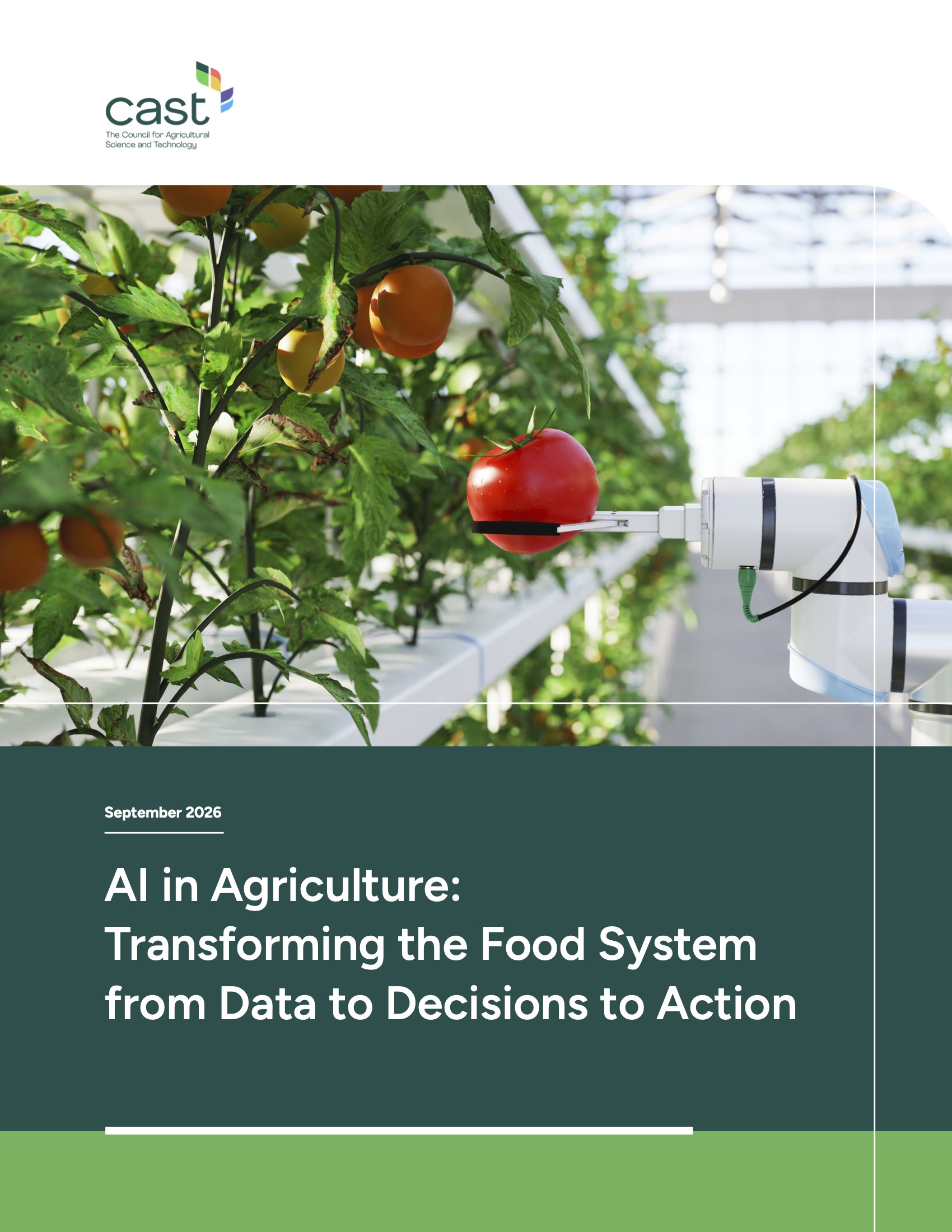
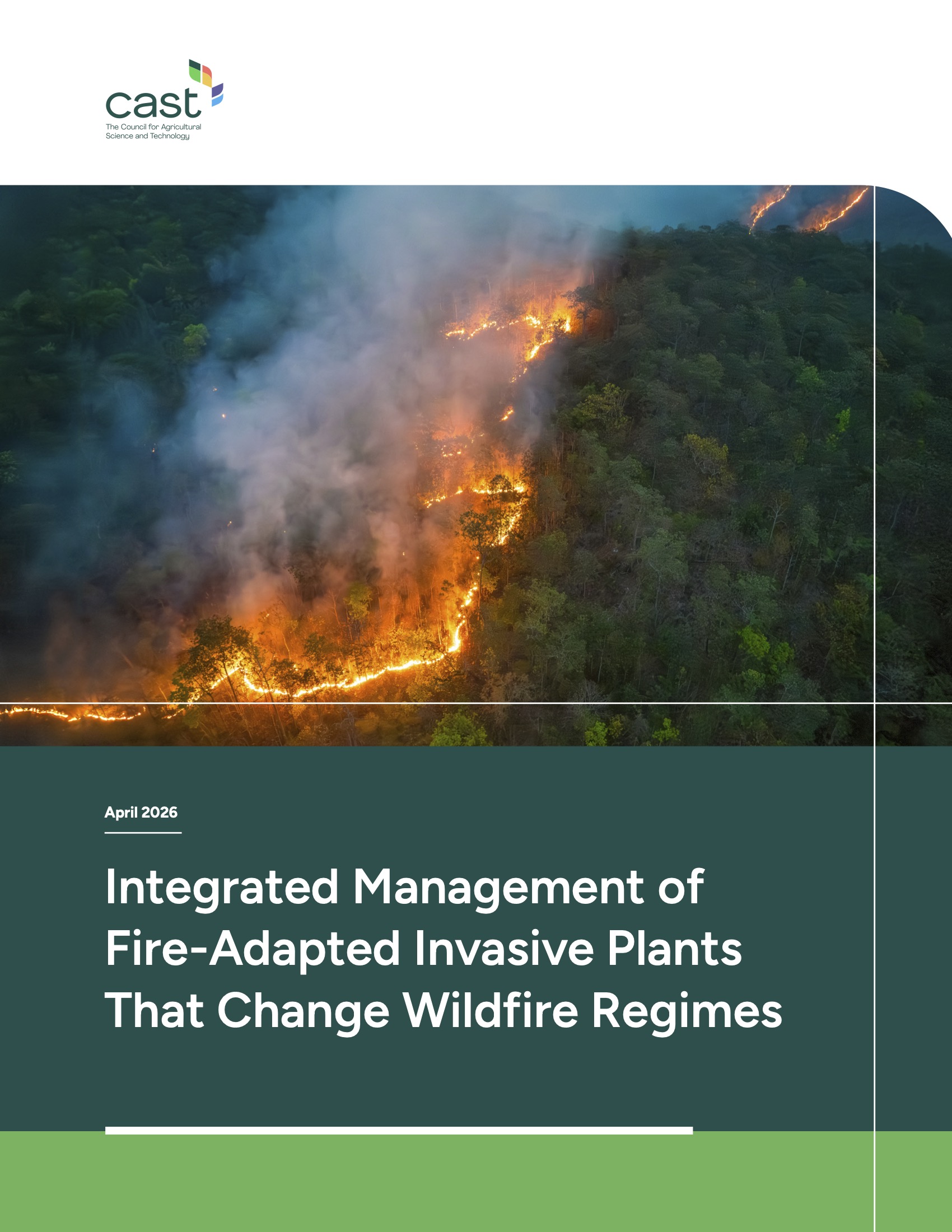
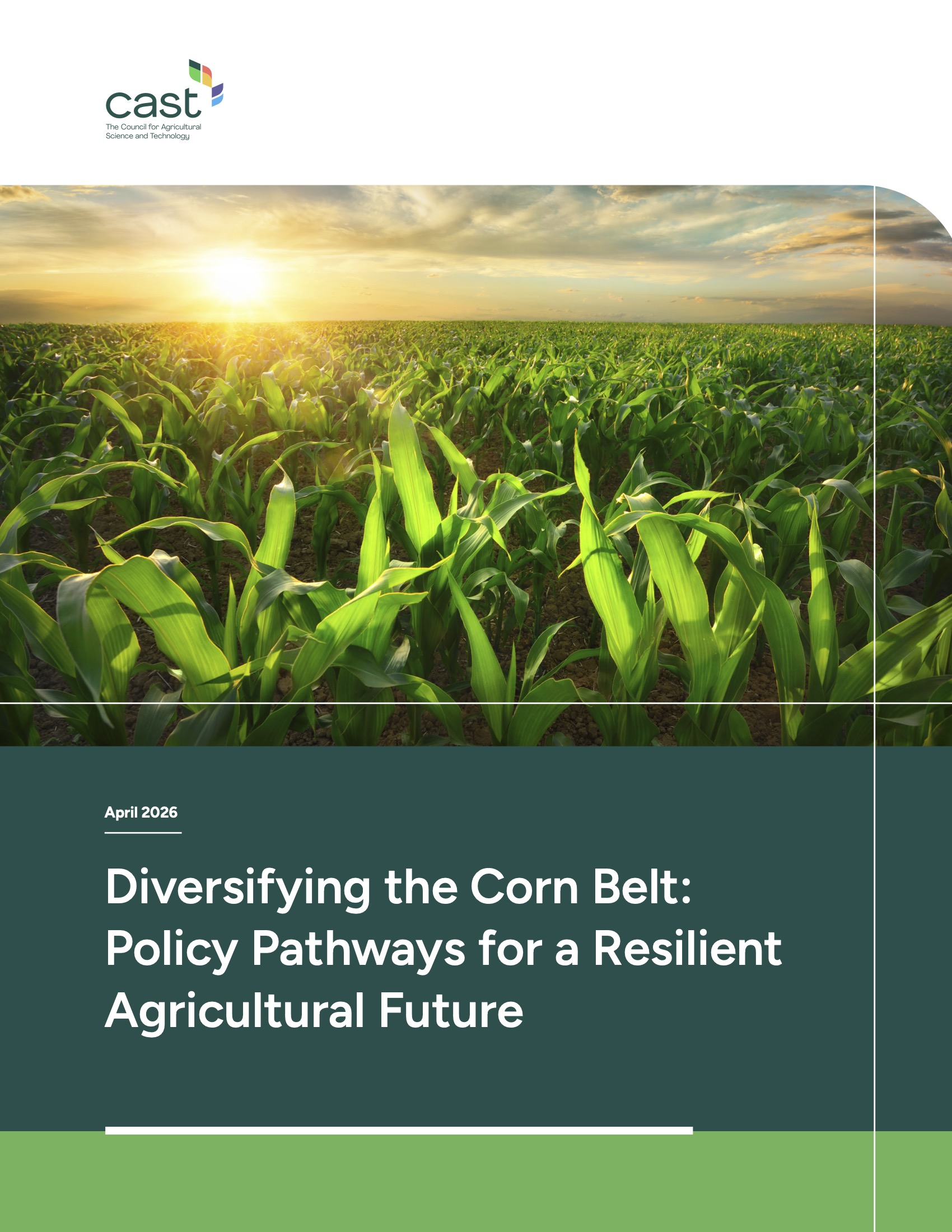
CAST welcomes topic proposals that address timely, relevant issues in agriculture, food, and environmental systems. Proposed topics are reviewed in collaboration with CAST work groups and staff to assess scientific merit, relevance, and alignment with CAST’s mission.
This repository houses all official CAST papers, including final published versions, DOIs, and citation information. It serves as the permanent reference point for researchers, policymakers, educators, and media seeking trusted, citable agricultural science.
CAST papers are developed by interdisciplinary task forces composed of volunteer authors, chairs, reviewers, liaisons, and translators from academia, industry, and government. This index recognizes those contributors and highlights the breadth of expertise that supports CAST’s work.